It starts innocently enough.
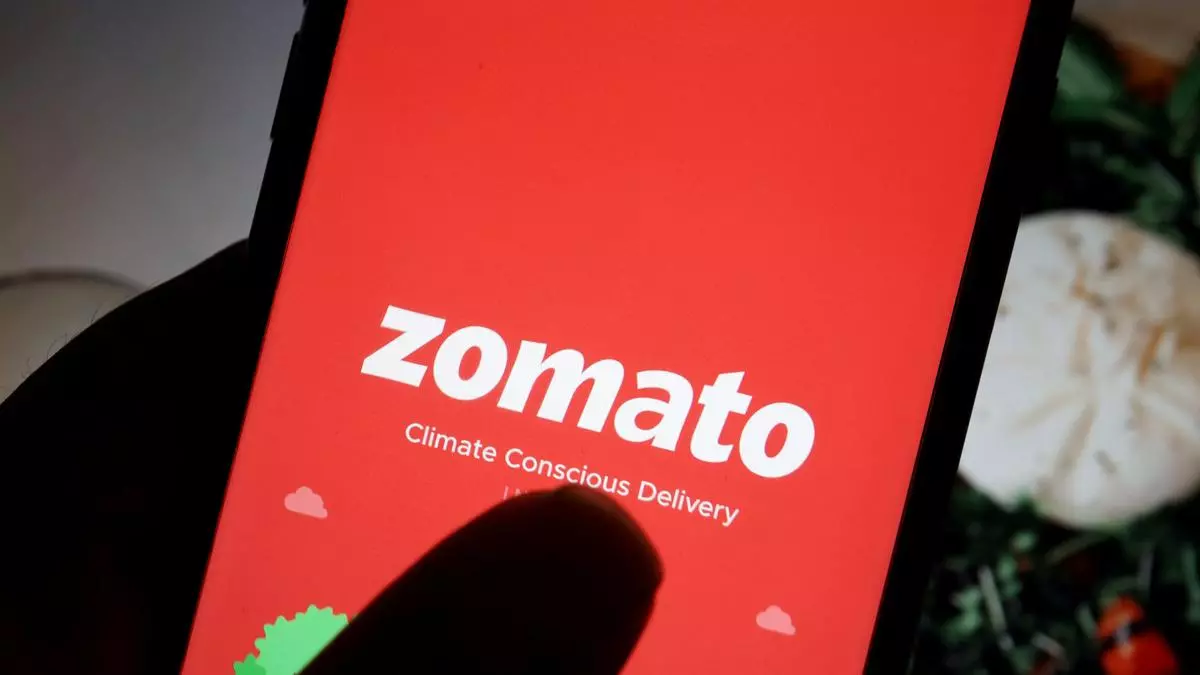
You had a long day. The fridge is basically empty. Opening DoorDash takes five seconds, and 30 minutes later, dinner is at your door. One order. No big deal.
Except it’s not one order. It’s Tuesday’s pad thai, Thursday’s burgers, Sunday’s brunch bowls, and the random 11 pm craving on a Wednesday you don’t remember. It’s the $4.99 delivery fee, the $3.50 service fee, and the tip you feel guilty not leaving. It’s a subscription to DashPass, so the fees are smaller, but somehow the orders are more frequent.
Before you know it, food delivery isn’t a convenience. It’s a budget category.
Here’s the question no one wants to ask: What if all of that money went into an index fund instead?
First, Let’s Talk About the Real Numbers
The average American spends over $1,566 per year on food delivery, ordering roughly 3.7 times per month at about $35 per order, according to a nationwide survey by Upgraded Points. That’s the average across all ages.
For younger users, the numbers are higher. A typical Gen Z household spends around $210 a month (roughly $2,500 per year) on food delivery, according to data reported by The Globe and Mail. Among heavy users who order multiple times a week, annual spending regularly exceeds $5,000, according to recent industry analysis.
Platform loyalty is real, too: nearly 65% of Gen Z use delivery apps regularly, making them the most frequent users by a significant margin. DoorDash, Uber Eats, and their competitors are built to make ordering feel effortless and inevitable.
But effortless spending is still spending. And over time, the math gets uncomfortable.
Step 1: What Does This Habit Actually Cost You?
Before we get to the investing part, let’s zoom in on the real cost of a food delivery habit. The sticker price is almost never the full picture.
A typical $30 meal order doesn’t cost $30. It costs:
| Item | Cost |
|---|---|
| Food total | $30.00 |
| Delivery fee | $4.99 |
| Service fee (~15%) | $4.50 |
| Tip (20%) | $6.00 |
| Real total | $45.49 |
That same meal cooked at home might cost $8 to $12 in groceries. The gap between what you pay and what you’d pay otherwise is the true cost of convenience.
Now multiply it. Three orders a week at $45 each: $540/month. $6,480/year.
Even at the more conservative average of two orders a week, you’re looking at $360/month or $4,320/year — money that feels invisible because it leaves your account in small, easy, forgettable increments.
That’s the trap of lifestyle spending. It doesn’t feel like a big decision, because it never is. It’s a hundred small decisions that add up to one very large one.
Step 2: The Opportunity Cost No One Calculates
Here’s where it gets interesting.
Every dollar you spend on delivery isn’t just gone. It represents a dollar that didn’t compound. That’s what economists call opportunity cost: the return you give up by choosing one thing over another.
Most people never calculate it. But you should, because the numbers are striking.
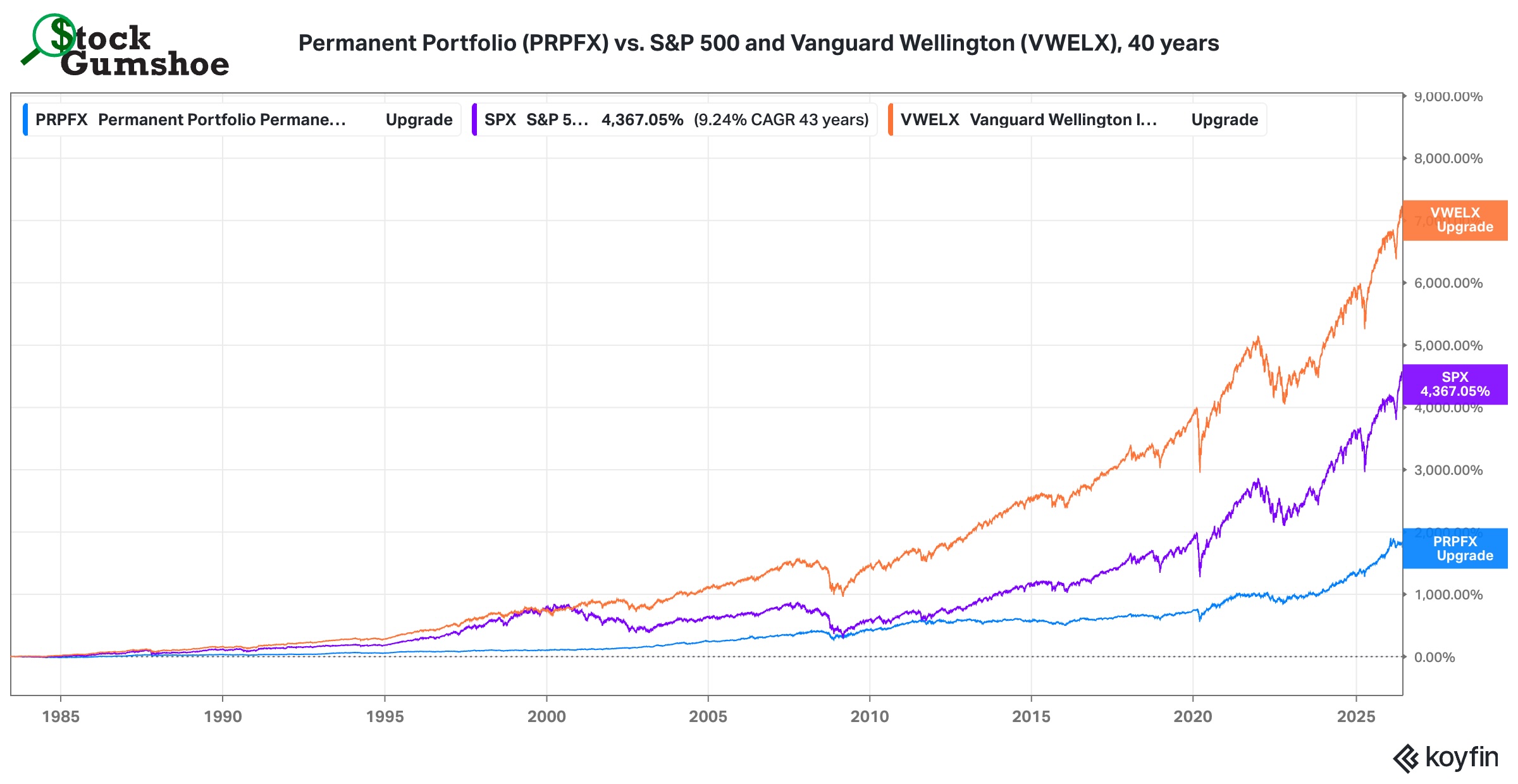
Let’s say you spend $200/month on food delivery (below the Gen Z average and well below that of heavy users). What happens if you invest that instead, starting at age 25, with a 10% annual return consistent with the stock market’s long-term historical average?
| Age You Start | Monthly Investment | Portfolio at 65 | Sustainable Annual Withdrawal (4% rule) |
|---|---|---|---|
| 25 | $200/month | ~$1,275,000 | ~$51,000/year |
| 30 | $200/month | ~$765,000 | ~$30,600/year |
| 35 | $200/month | ~$452,000 | ~$18,080/year |
That’s the same $200 a month — less than most people spend on delivery — turning into over a million dollars, just by starting at 25 instead of later.
Now let’s run it for heavier spenders. If you currently order 3–4 times a week and spend closer to $400–$500/month:
| Monthly Investment | Years Invested (starting at 25) | Portfolio at 65 | Annual Withdrawal |
|---|---|---|---|
| $300/month | 40 years | ~$1,912,000 | ~$76,480/year |
| $400/month | 40 years | ~$2,548,000 | ~$101,920/year |
| $500/month | 40 years | ~$3,186,000 | ~$127,440/year |
$500 a month — roughly what a serious delivery habit costs — invested consistently for 40 years, turns into over $3 million. That’s $127,000 a year in sustainable withdrawals, forever, without draining the principal.
This is the number that should make you pause before opening the app.
Step 3: It’s Not About the Food
Let’s be clear: this isn’t a lecture about takeout being bad. Ordering delivery isn’t a moral failure. Convenience has real value. Sometimes you genuinely don’t have time to cook, and a $40 meal is the right call.
The issue isn’t the occasional order. It’s the default.
When delivery becomes the automatic response to hunger, not a considered choice but a reflex, the spending stops feeling like spending. And that’s exactly how lifestyle inflation works. It doesn’t announce itself. It just quietly raises your baseline, one friction-free tap at a time.
The goal isn’t to never order delivery. It’s to order it on purpose, not on autopilot.
Step 4: The “Redirect” Strategy
You don’t have to go cold turkey. You don’t even have to cut your delivery habit in half. You need to redirect some of it consistently.
Here’s what that looks like in practice:
Cut 2 orders per week → invest the savings
If you currently order 4 times a week and cut down to 2, you free up roughly $180–$200/month. Automate that amount into an index fund the day your paycheck hits. You’ll barely notice the reduction in delivery, and over time, you’ll absolutely feel the compounding effect.
| Saved Per Month | Over 10 Years | Over 20 Years | Over 30 Years |
|---|---|---|---|
| $100/month | ~$20,600 | ~$76,600 | ~$226,000 |
| $200/month | ~$41,300 | ~$153,000 | ~$452,000 |
| $300/month | ~$62,000 | ~$229,000 | ~$679,000 |
(Assumes 10% annual return, consistent with long-term historical stock market averages)
Even $100 a month — cutting out roughly two orders per week — grows to over $226,000 in 30 years. That’s not retirement money on its own, but it’s a meaningful chunk of freedom.
The 8-hour rule
Before opening a delivery app, wait 8 hours. This sounds extreme, but the reality is that most delivery impulses disappear within a few hours. If you still want the same meal 8 hours later, order it guilt-free. If you don’t, you’ve discovered that the craving was more about habit than hunger.
Track one month
Most people are genuinely shocked when they see a full month of food delivery charges laid out. Pull your last 30 days of statements and add them up. The number is almost always higher than your estimate, and seeing it tends to change behavior in a way that abstract reasoning doesn’t.
Step 5: What the Math Is Really Teaching You
The delivery app example is just one instance of a much bigger principle.
Small, recurring spending is where wealth quietly disappears.
It’s not the one big vacation. It’s not the new phone. It’s the subscriptions that auto-renew, the delivery fees that stack, the $15 lunches that become $3,900 a year. Each one feels negligible. Together, they compound in the wrong direction.
The investing lesson isn’t “stop spending on things you enjoy.” It’s “understand what your spending actually costs you over time, and make the choice consciously.”
When you know that $200/month in delivery could be $765,000 at 65, the order doesn’t feel the same. Maybe you still place it. But you know what you’re trading. That awareness is the beginning of financial literacy.
Step 6: Dollar-Cost Averaging Makes It Effortless
The last thing most people want is to actively manage investments. And here’s the good news: you don’t have to.
Dollar-cost averaging means investing a fixed amount at regular intervals, regardless of what the market is doing. You don’t wait for the “right time.” You don’t check prices. You set it up once and let it run.
When markets dip, your fixed contribution buys more shares. When markets rise, your existing shares grow. Over time, the ups and downs average out, and consistency beats timing every single time.
The practical version: automate a monthly transfer to an index fund the day after your paycheck lands. Treat it like a bill. You already pay DoorDash automatically. Make your future self a recurring subscriber too.
The Bottom Line
Nobody became wealthy by cutting out takeout. But nobody built wealth while spending unconsciously on a hundred small things that compound against them, either.
The math here is simple:
$200/month in delivery → $0 in 40 years.
$200/month invested → $1,275,000 in 40 years.
The difference isn’t sacrifice. It’s awareness. It’s knowing what a habit actually costs: not the price of the order, but the price of the order every week for the next four decades.
You get to decide which side of that equation you’re on. But you have to decide. The app is already making the decision for you.
New to investing? Wall Street Survivor gives you $100,000 in virtual money to practice in our real-time stock market simulator — risk-free. Plus, our free courses will teach you everything you need to get started the right way. Get started here!