For several
years now, smart contracts have been a popular issue in the blockchain and
cryptocurrency industries. These self-executing contracts make it possible to
automate transactions without the involvement of middlemen or outside parties.
Smart contracts
were first exclusively utilized for cryptocurrency transactions, but their
potential uses are increasingly being utilized in a variety of real-world
settings. In this article, we’ll talk about how smart contracts are starting to
be used in practical, everyday situations.
When specific
criteria are met, smart contracts are computer programs that automatically
carry out their terms. They run on the blockchain, a distributed, safe, and
open digital ledger that keeps track of all transactions made between a number
of computers.
Each block in
the chain includes transaction information, a timestamp, and a cryptographic
hash of the one before it. Participants can conduct transactions directly using
this technology without the aid of middlemen like banks or other financial
organizations.
Computer
scientist and cryptographer Nick Szabo initially proposed smart contracts in
1994. But, smart contracts could not be put into use in a real-world, scalable
way until the advent of blockchain technology.
Development
of Smart Contracts for Use in the Real World
Supply Chain
Administration
Supply chain
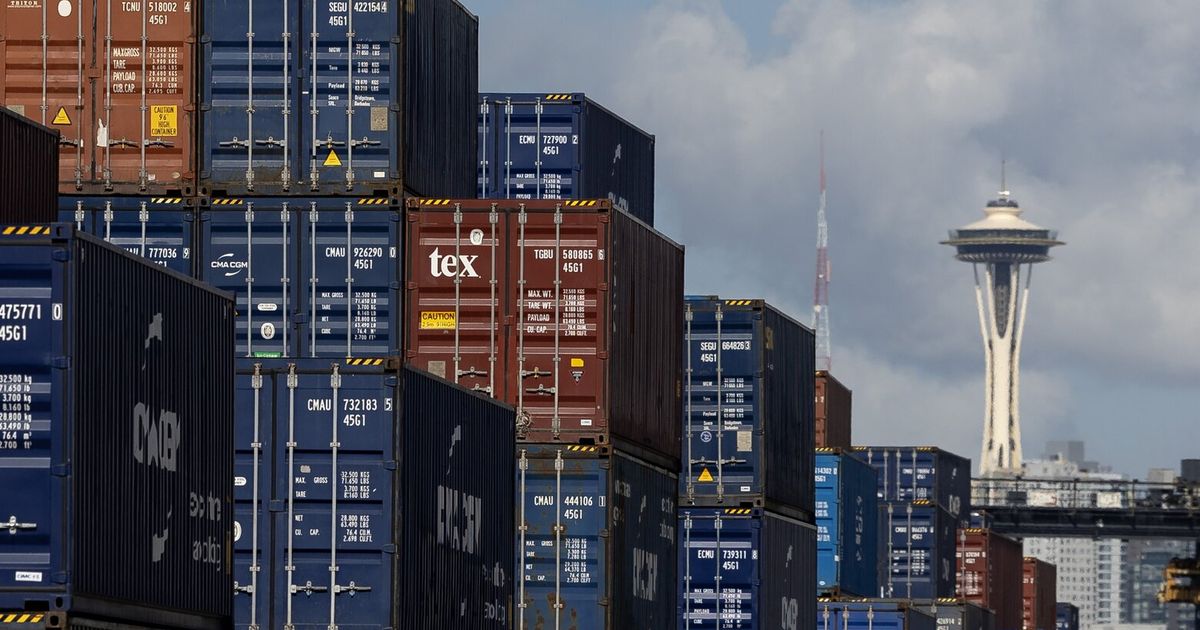
management is one of the most exciting uses of smart contracts. Multiple
parties can be involved in complex supply chains, which can cause
inefficiencies, delays, and mistakes. By automating many of the steps involved
in the flow of goods, including as shipping, inventory control, and payments,
smart contracts can improve the efficiency of the supply chain. This can
increase the supply chain’s effectiveness while lowering costs for all parties.
Real Estate Dealings
Another area
where smart contracts are employed is in real estate deals. Numerous steps in
the buying and selling of real estate, such as the transfer of ownership, title
checks, and escrow payments, can be automated with the help of these contracts.
This may speed up, improve efficiency, and reduce the cost of real estate
transactions.
Coverage Claims
For insurance
businesses, smart contracts can be utilized to automate the claims process.
These contracts can be set up to automatically go into effect when specific
criteria are satisfied, like when a claim is submitted and authorized. This can
simplify the claims procedure, requiring less time and money to process claims
while also enhancing the client experience.
Rights to Intellectual Property
Intellectual
property rights can also be managed with smart contracts. These agreements can
be used to automate the licensing and distribution of digital content like software,
music, and videos. In addition to lowering the possibility of piracy, this can
guarantee that content producers are fairly compensated for their efforts.
Voting Procedures
Voting systems
can potentially make use of smart contracts, especially in nations where voter
fraud is an issue. These agreements can be used to guarantee accurate vote
counting and recording, lowering the possibility of fraud and enhancing the
general transparency of the electoral process.
Implementing
Smart Contracts for Real-World Applications: Challenges
Smart contracts
have a wide range of potential uses, but before they are widely adopted, a
number of issues must be resolved. These difficulties include:
Legal Systems
Clear laws are
required to guarantee that smart contracts be used in a responsible and
transparent manner because the legal frameworks governing them are still
developing. This is crucial in fields like real estate transactions, where
adherence to the law is essential.
Interoperability
Interoperability
between the many blockchain platforms that are now being used can be difficult.
Because different blockchain platforms may use different protocols or
standards, there may be inefficiencies and communication barriers between them.
Scalability
When dealing
with high numbers of transactions, blockchain technology has the potential to
be slower and less effective than conventional systems. Because of this, smart
contracts might not be able to handle the volume of transactions needed for
practical applications.
Security Issues
Despite the
inherent security of smart contracts, there is still a possibility of security
breaches, especially at the endpoints where transactions are started or
finished. To reduce these risks and guarantee that client information and
payments are kept secure, additional security measures must be put in place.
Addressing the
Main Issues
Smart contracts
have become increasingly popular in recent years as a way to automate the
execution of agreements and transactions. While they have shown tremendous
potential in the realm of blockchain and cryptocurrency, there are still
several challenges that must be addressed before they can be used for
in-real-life applications.
One of the main
challenges in using smart contracts for in-real-life applications is the lack
of standardization. Smart contracts are typically written in programming
languages like Solidity, which are not widely understood outside of the
blockchain community. This can make it difficult for individuals and
organizations to create and implement smart contracts that meet their specific
needs.
To tackle this
issue, efforts are being made to develop standard templates for smart contracts
that can be easily adapted for different use cases. This would make it easier
for non-technical individuals and organizations to create and implement smart
contracts that meet their specific needs.
Another issue
with smart contracts is the potential for bugs and vulnerabilities. Smart
contracts are essentially self-executing pieces of code, and once they are
deployed, they cannot be modified. This means that if a bug or vulnerability is
discovered in a smart contract, it cannot be fixed without deploying a new
contract.
To address this,
auditing and testing of smart contracts is essential. Developers should conduct
thorough testing and quality assurance to identify and address potential bugs
and vulnerabilities before a smart contract is deployed. Additionally, peer
review and third-party auditing can help identify potential issues that may
have been missed during development.
A related problem
is the need for dispute resolution in the event that a smart contract fails to
execute as intended. Smart contracts are designed to be self-executing, which
means that there is no intermediary to resolve disputes. In the event of a
dispute, it can be difficult to determine who is at fault and what the
appropriate course of action should be.
To avoid this,
some developers are exploring the use of smart contract oracles. Oracles are
trusted third-party services that can provide real-world data to smart
contracts, such as weather conditions or stock prices. This data can be used to
trigger or terminate smart contract execution and can help to resolve disputes
in a more transparent and automated manner.
Conclusion
Supply chain
management, real estate transactions, insurance claims, intellectual property
rights, and voting systems are just a few of the areas that smart contracts
have the potential to completely transform. Legal frameworks, interoperability,
scalability, and security are just a few of the obstacles to wider adoption
that can be overcome with careful planning and execution.
We will probably
witness an increase in the number of use cases for smart contracts as they
develop. As a result, it’s critical for businesses and organizations to keep up
with the most recent advancements in this quickly changing industry and to be
ready to adjust to the shifting landscape. Businesses may cut expenses, boost
productivity, and improve customer satisfaction by utilizing the power of smart
contracts.
For several
years now, smart contracts have been a popular issue in the blockchain and
cryptocurrency industries. These self-executing contracts make it possible to
automate transactions without the involvement of middlemen or outside parties.
Smart contracts
were first exclusively utilized for cryptocurrency transactions, but their
potential uses are increasingly being utilized in a variety of real-world
settings. In this article, we’ll talk about how smart contracts are starting to
be used in practical, everyday situations.
When specific
criteria are met, smart contracts are computer programs that automatically
carry out their terms. They run on the blockchain, a distributed, safe, and
open digital ledger that keeps track of all transactions made between a number
of computers.
Each block in
the chain includes transaction information, a timestamp, and a cryptographic
hash of the one before it. Participants can conduct transactions directly using
this technology without the aid of middlemen like banks or other financial
organizations.
Computer
scientist and cryptographer Nick Szabo initially proposed smart contracts in
1994. But, smart contracts could not be put into use in a real-world, scalable
way until the advent of blockchain technology.
Development
of Smart Contracts for Use in the Real World
Supply Chain
Administration
Supply chain
management is one of the most exciting uses of smart contracts. Multiple
parties can be involved in complex supply chains, which can cause
inefficiencies, delays, and mistakes. By automating many of the steps involved
in the flow of goods, including as shipping, inventory control, and payments,
smart contracts can improve the efficiency of the supply chain. This can
increase the supply chain’s effectiveness while lowering costs for all parties.
Real Estate Dealings
Another area
where smart contracts are employed is in real estate deals. Numerous steps in
the buying and selling of real estate, such as the transfer of ownership, title
checks, and escrow payments, can be automated with the help of these contracts.
This may speed up, improve efficiency, and reduce the cost of real estate
transactions.
Coverage Claims
For insurance
businesses, smart contracts can be utilized to automate the claims process.
These contracts can be set up to automatically go into effect when specific
criteria are satisfied, like when a claim is submitted and authorized. This can
simplify the claims procedure, requiring less time and money to process claims
while also enhancing the client experience.
Rights to Intellectual Property
Intellectual
property rights can also be managed with smart contracts. These agreements can
be used to automate the licensing and distribution of digital content like software,
music, and videos. In addition to lowering the possibility of piracy, this can
guarantee that content producers are fairly compensated for their efforts.
Voting Procedures
Voting systems
can potentially make use of smart contracts, especially in nations where voter
fraud is an issue. These agreements can be used to guarantee accurate vote
counting and recording, lowering the possibility of fraud and enhancing the
general transparency of the electoral process.
Implementing
Smart Contracts for Real-World Applications: Challenges
Smart contracts
have a wide range of potential uses, but before they are widely adopted, a
number of issues must be resolved. These difficulties include:
Legal Systems
Clear laws are
required to guarantee that smart contracts be used in a responsible and
transparent manner because the legal frameworks governing them are still
developing. This is crucial in fields like real estate transactions, where
adherence to the law is essential.
Interoperability
Interoperability
between the many blockchain platforms that are now being used can be difficult.
Because different blockchain platforms may use different protocols or
standards, there may be inefficiencies and communication barriers between them.
Scalability
When dealing
with high numbers of transactions, blockchain technology has the potential to
be slower and less effective than conventional systems. Because of this, smart
contracts might not be able to handle the volume of transactions needed for
practical applications.
Security Issues
Despite the
inherent security of smart contracts, there is still a possibility of security
breaches, especially at the endpoints where transactions are started or
finished. To reduce these risks and guarantee that client information and
payments are kept secure, additional security measures must be put in place.
Addressing the
Main Issues
Smart contracts
have become increasingly popular in recent years as a way to automate the
execution of agreements and transactions. While they have shown tremendous
potential in the realm of blockchain and cryptocurrency, there are still
several challenges that must be addressed before they can be used for
in-real-life applications.
One of the main
challenges in using smart contracts for in-real-life applications is the lack
of standardization. Smart contracts are typically written in programming
languages like Solidity, which are not widely understood outside of the
blockchain community. This can make it difficult for individuals and
organizations to create and implement smart contracts that meet their specific
needs.
To tackle this
issue, efforts are being made to develop standard templates for smart contracts
that can be easily adapted for different use cases. This would make it easier
for non-technical individuals and organizations to create and implement smart
contracts that meet their specific needs.
Another issue
with smart contracts is the potential for bugs and vulnerabilities. Smart
contracts are essentially self-executing pieces of code, and once they are
deployed, they cannot be modified. This means that if a bug or vulnerability is
discovered in a smart contract, it cannot be fixed without deploying a new
contract.
To address this,
auditing and testing of smart contracts is essential. Developers should conduct
thorough testing and quality assurance to identify and address potential bugs
and vulnerabilities before a smart contract is deployed. Additionally, peer
review and third-party auditing can help identify potential issues that may
have been missed during development.
A related problem
is the need for dispute resolution in the event that a smart contract fails to
execute as intended. Smart contracts are designed to be self-executing, which
means that there is no intermediary to resolve disputes. In the event of a
dispute, it can be difficult to determine who is at fault and what the
appropriate course of action should be.
To avoid this,
some developers are exploring the use of smart contract oracles. Oracles are
trusted third-party services that can provide real-world data to smart
contracts, such as weather conditions or stock prices. This data can be used to
trigger or terminate smart contract execution and can help to resolve disputes
in a more transparent and automated manner.
Conclusion
Supply chain
management, real estate transactions, insurance claims, intellectual property
rights, and voting systems are just a few of the areas that smart contracts
have the potential to completely transform. Legal frameworks, interoperability,
scalability, and security are just a few of the obstacles to wider adoption
that can be overcome with careful planning and execution.
We will probably
witness an increase in the number of use cases for smart contracts as they
develop. As a result, it’s critical for businesses and organizations to keep up
with the most recent advancements in this quickly changing industry and to be
ready to adjust to the shifting landscape. Businesses may cut expenses, boost
productivity, and improve customer satisfaction by utilizing the power of smart
contracts.