

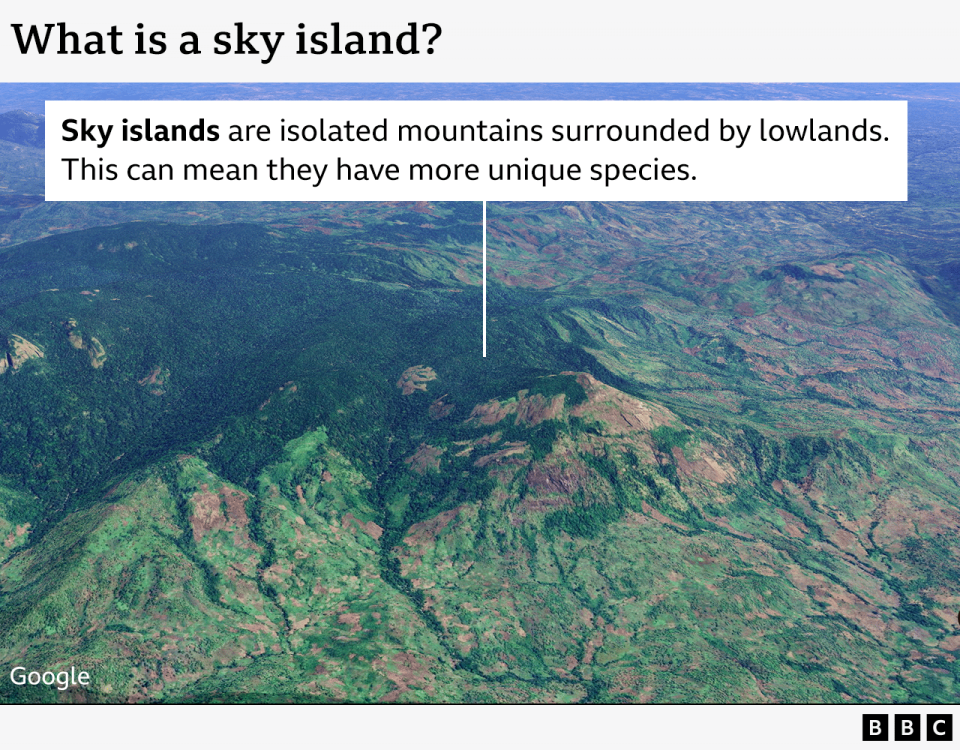
Perched on a distant mountain prime and surrounded by lowlands, Mabu is what’s referred to as a “sky island” and is the biggest rainforest in southern Africa. BBC setting correspondent Jonah Fisher went to Mabu with a group of scientists who’ve found dozens of recent species there, serving to to persuade Mozambique to guard it.
“Let me get my magic spoon,” Dr Gimo Daniel says with a smile.
It’s exhausting to think about anybody taking extra delight of their work than the 36-year-old Mozambican beetle skilled.
We’re crouched round a small gap within the grime not removed from our camp within the centre of Mabu forest. Dr Daniel’s mission, like that of just about everybody on our expedition, is to seek out issues that science has not seen earlier than.
Dung beetles are Dr Daniel’s speciality and he chuckles as he pulls out an enormous plastic tub of bait – his personal faeces.

The scent is as you’d anticipate. Pungent and not possible to disregard.
Dr Daniel tells me that he has already found what he believes are 15 new species of dung beetles.
“They’ll scent it as much as 50 metres from right here, so they arrive as quick as they will,” he says. “It’s brunch.”
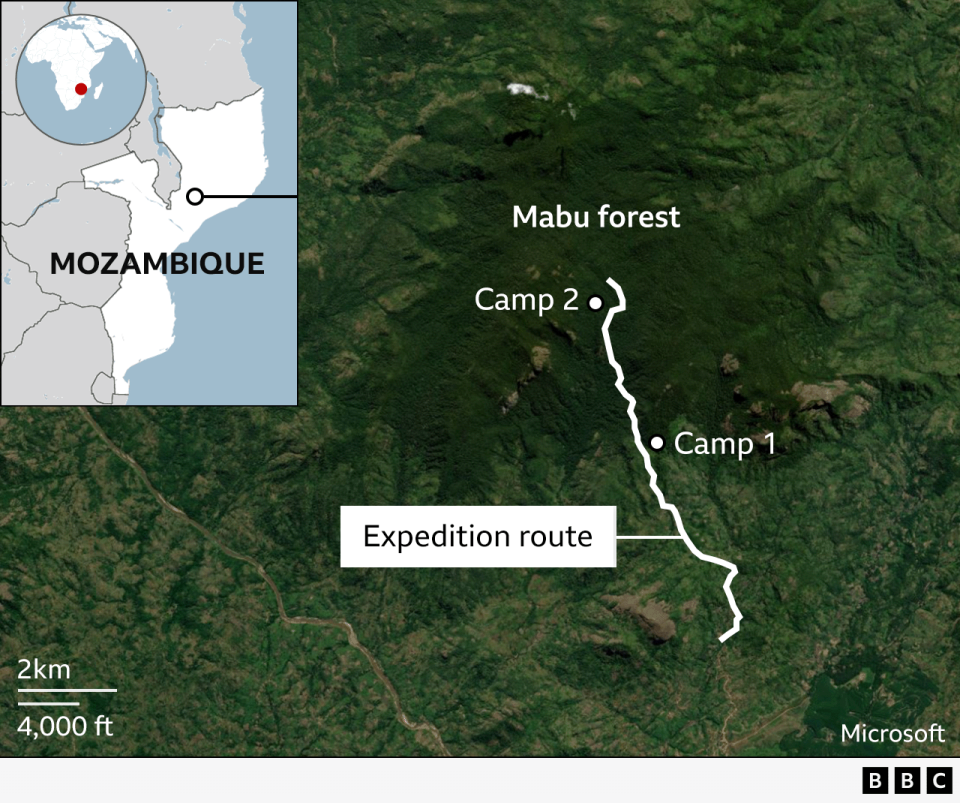
Twenty years in the past, Mabu was a secret to all however the locals.
It was ‘found’ for the surface world by Prof Julian Bayliss in 2004. An explorer and ecologist who now lives in north Wales, he was surveying satellite tv for pc photos of northern Mozambique when he got here throughout a beforehand unknown darkish inexperienced patch.
A primary expedition the next yr confirmed that though locals had been looking within the forest it was in extremely good situation and its measurement at 75 sq. kilometres made Mabu the biggest single block of rainforest in southern Africa.
“I used to be like – oh my God – that is phenomenal,” Prof Bayliss remembers.
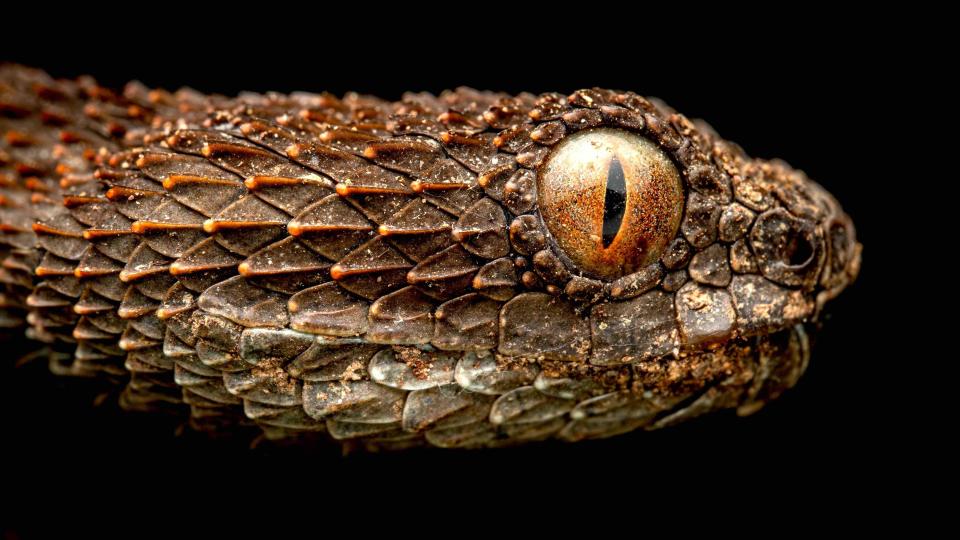
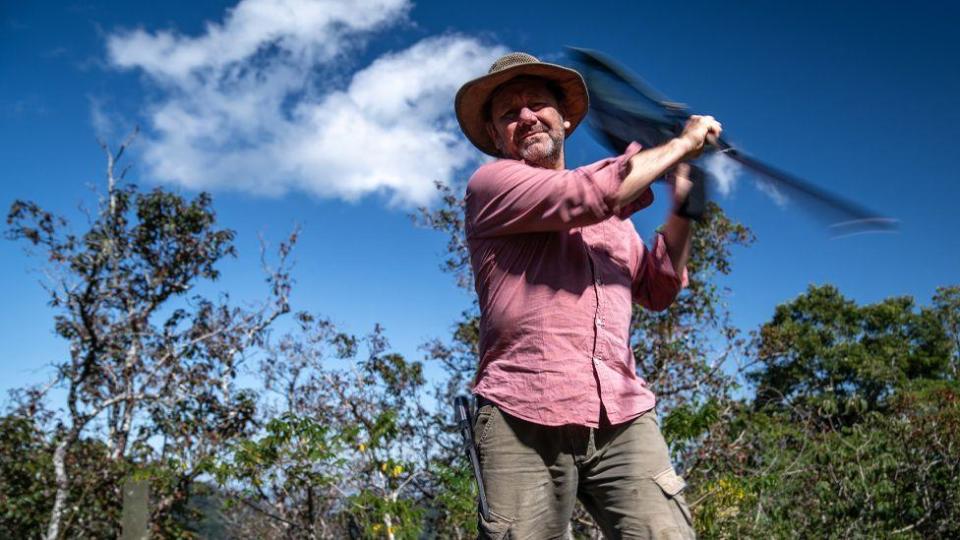
In early expeditions to Mabu, considered one of which I joined in 2009 whereas working as a BBC correspondent in southern Africa, Prof Bayliss was on the forefront of a ‘gold rush’ of discoveries, shortly discovering a number of new species of chameleon, snake and butterfly.
In all Prof Bayliss says they’ve discovered no less than 25 new species, and that is not even counting the dung beetles, lots of which nonetheless have to be formally recognised.
What makes Mabu so particular is its geography. A medium altitude rainforest, it protrudes above Mozambique’s lowlands, makes it successfully a ‘sky island’.
Which means a lot of the animals and bugs that dwell there haven’t any manner of assembly and breeding with different populations, growing the possibilities of them evolving in isolation into one thing distinctive and new to science.
The expedition the BBC joined this yr at Prof Bayliss’ invitation was the primary time a group of scientists had primarily based themselves proper within the centre of the forest.
Mabu was partly protected by Mozambique’s lengthy historical past of civil conflict, the longest of which led to 1992. It was additionally helped by the truth that it’s simply so exhausting to get there.
After driving 5 hours alongside grime roads the entire tenting gear, meals and tools is loaded on to the backs and heads of greater than sixty porters.
Whereas we, and the scientists, adjusted our strolling boots and dropped hydration salts in our water bottles, the porters, lots of them sporting simply flipflops, marched up Mount Mabu’s steep slopes.
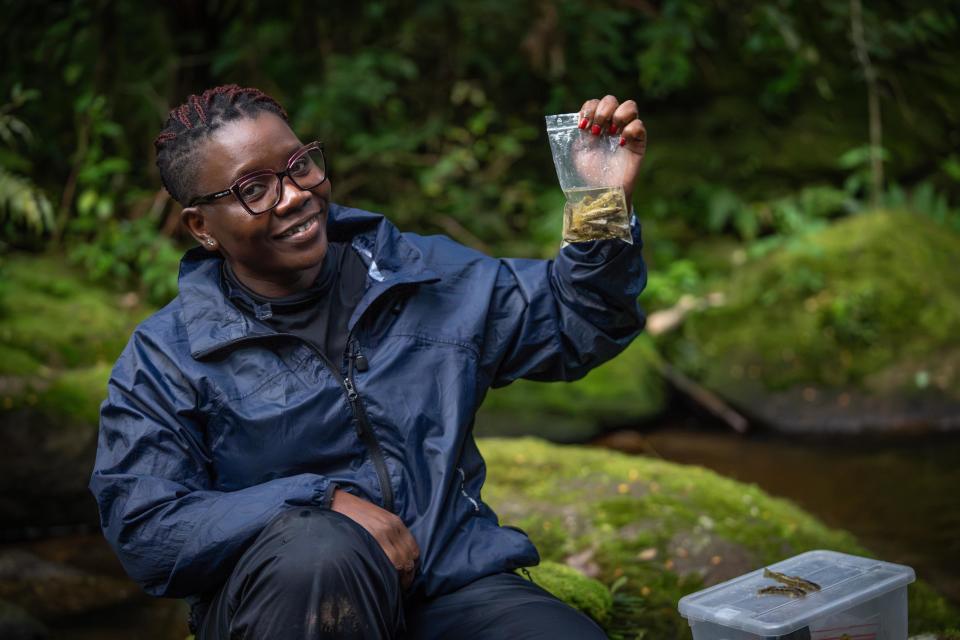
One of many first to seek out one thing new is Erica Tovela, a freshwater fish skilled from Mozambique’s Pure Historical past Museum. Within the stream that runs by camp she catches a sort of small catfish she’s not seen earlier than.
“I hope that we now have a brand new species for this space,” she says with a smile as she holds up a see-through bag of lifeless fish. (They are going to be preserved in formaldehyde for additional evaluation and comparability with different comparable species.) “Superb. It will likely be the primary new species for me.”
The method of definitively figuring out a brand new species can take years. It entails writing a peer-reviewed paper in a journal by which the variations between the brand new discovery and its closest family members are outlined and accepted by different scientists.
The subsequent step for Ms Tovela is to get the DNA of her fish analysed and detailed descriptions and pictures circulated. And what is likely to be the title?
“It needs to be one thing mabuensis,” she says. “It’s a pleasant manner of claiming we now have one particular species that’s from Mabu.”
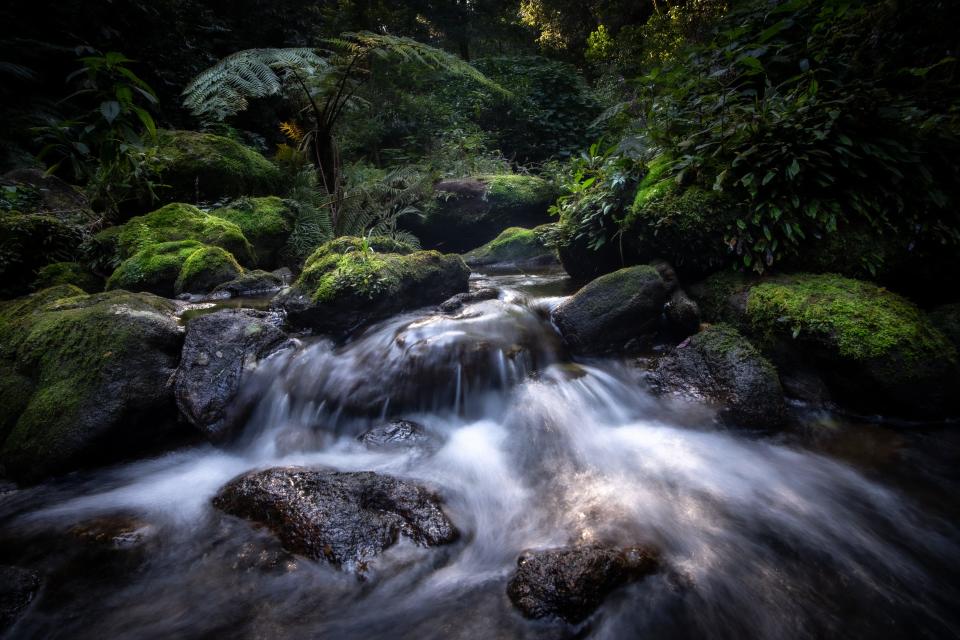
Mabu’s forest is in good situation however that’s to not say that some issues haven’t modified.
The massive mammals that when inhabited it like lions, rhinos and buffalos have all been hunted out, most probably for meals in the course of the conflict. Deforestation has additionally taken a toll, although not as badly as different forests in southern Africa.
“It’s extremely seen that forests (in southern Africa) that I have been to simply 15 to twenty years in the past have now disappeared, lower down for a lot of totally different causes,” says Prof Ara Monadjem, an skilled in small mammals from the College of Eswatini, who was on the journey.
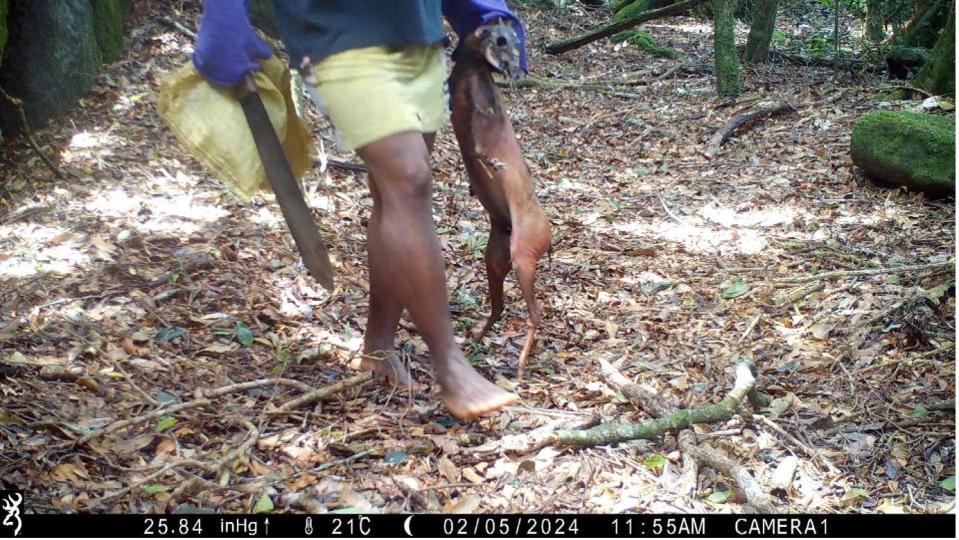
At Mabu the deforestation has to date been restricted however locals are actually looking. Digital camera traps present hunters carrying animals they’ve caught and we see bodily traps produced from automotive springs set simply off the tracks by the forest.
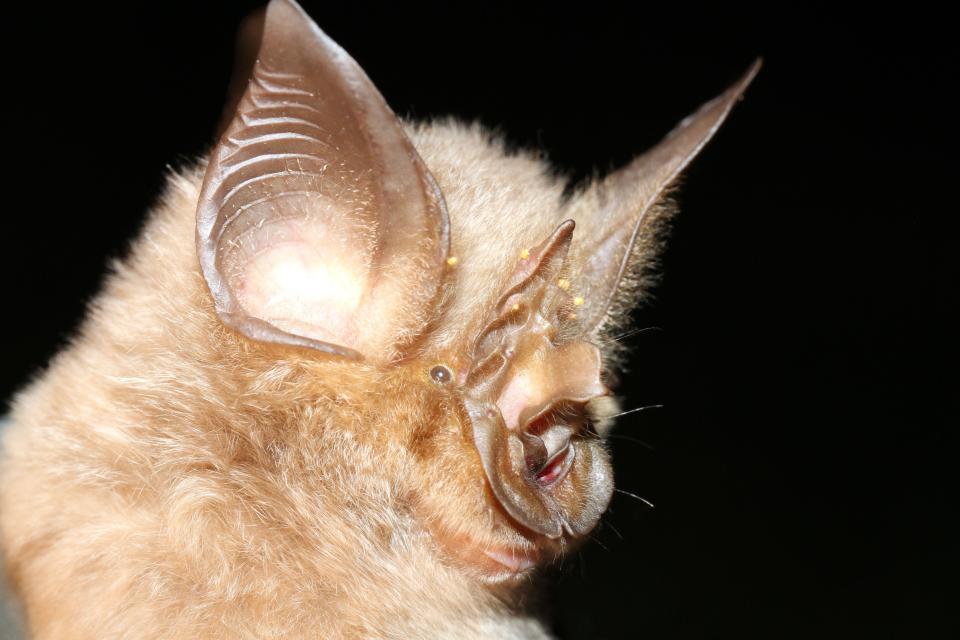
However on the similar time species of smaller mammals are additionally being found. They included a horseshoe bat referred to as Rhinolophus mabuensis and a dwarf musk shrew which scientists are nonetheless within the technique of naming and describing.
Not everybody on the expedition is in search of new species. Chook consultants Claire Spottiswoode and Callan Cohen have a really particular mission. To seek out proof that considered one of Africa’s rarest birds remains to be alive.
The Namuli apalis solely lives at altitude and there are fears {that a} mixture of the destruction of forest elsewhere and warming temperatures are pushing the small yellow and black hen in the direction of extinction.
“Local weather change typically has these results which can be exhausting to foretell,” Callan Cohen explains stating that typically hotter temperatures encourage snake exercise, which implies extra nests and chicks come below assault.
Looking for the uncommon hen entails enjoying it a recording of a Namuli apalis by a Bluetooth speaker after which ready to see if any reply.
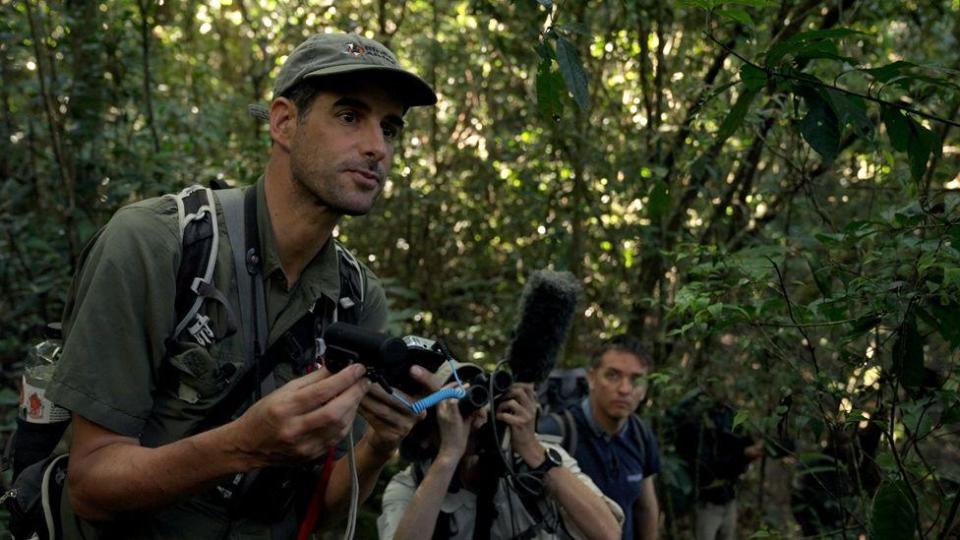
There’s no signal or sound on the day that we be a part of the search, however a number of days later the hen consultants return to camp late at evening bringing with them excellent news.
They managed to document sound of the Namuli Apalis on one of many greater ridges.
“It is nonetheless just a little regarding, to be sincere,” Dr Cohen says of the massive effort it had taken.
So what occurs subsequent? For Mabu, no less than the indicators seem optimistic.
Pejul Calenga, the director basic of Mozambique’s conservation areas, tells me in an interview that Mabu is to be changed into a neighborhood protected space.
That can imply no logging or mining is allowed however that the locals who depend upon the forest for his or her livelihoods will handle and be capable of use it.
Of the function performed by the scientists’ work in getting the realm protected, he says: “It is a lot simpler to face up for these areas by which we now have distinctive sources current.”
Mr Calenga stated Mabu now varieties a part of Mozambique’s dedication to a world biodiversity pledge to guard 30 % of its land by 2030.
Having led so many expeditions into Mabu forest Prof Bayliss is cautiously optimistic that if the administration plan is finished nicely Mabu will flip right into a conservation success story.
He’s already wanting elsewhere in Africa for different websites that want safety.