This article/post contains references to products or services from one or more of our advertisers or partners. We may receive compensation when you click on links to those products or services
There are a lot of different ways to invest. Increasingly, investors have started actively seeking out opportunities to invest according to their personal beliefs, whether that’s investing in ESG, or avoiding sin stocks or oil companies.
Halal investing is another type of values-based investing. Halal is an Islamic concept that means it’s compliant with Muslim law. While the exact interpretation of what can and can’t be invested in varies, it’s generally a conservative investment approach.
By building a halal investment portfolio, Muslims can build wealth in a way that aligns with their religious faith. However, many traditional portfolios aren’t halal, which means Muslim investors who want to invest in accordance to their faith need to do a bit more research.
The Short Version
- Halal investing is a form of investing that adheres to Islamic law — although there can be debate about what is considered halal.
- While there are similarities to ESG investing, it is generally much stricter as it takes into account not just the type of company invested in, but the type of transaction.
- Muslim investors wishing to adhere to halal may need to do more research to make sure that their investment portfolios are aligned with their faith.
What is Halal Investing?
Halal is an Islamic concept that means something is permitted by Sharia law, which is a set of values based on the teachings of the Quran. It is often used to refer to food but can also be used in reference to investing.
Halal investing is a type of investment that complies with Sharia law. In some ways, it’s a type of specialized socially responsible investing. Just like with SRI investing, halal investing considers what type of activity is invested in, as well as opportunities to make a positive impact, like charity.
Specific types of investing are prohibited, or haram, which means “forbidden” in Arabic. This includes most sin stock companies, as well as companies that do not have a lot of debt or interest income. Investment guidelines can vary as the interpretation of Islamic law can be nuanced. Some details of halal investing are often debated by Islamic scholars, such as whether cryptocurrencies are considered halal.
In short, halal investing allows Muslim investors to grow their wealth while making sure their investments are aligned with their faith.
The Pillars of Halal Investing
If an investor wants to make sure their investment portfolio is halal, there are four main guiding principles they should follow. There is also a 5% rule that is often used to determine if a company’s main source of business is haram or not. If a company has more than 5% of revenue coming from a prohibited industry, like loans, it’s not considered halal.
>Interest As Income
Under Islamic law, paying or charging additional interest is considered usurious and exploitative. An investor who wants to make sure their investments are halal should generally stay away from anything that focuses on generating income from interest, such as debt or loan products. For example, investing in bonds is not considered halal because you are essentially giving out a loan and making money on the interest.
It’s important to note that there’s a distinction between the compound interest earned from investing and the interest charged by a bank or lender. While investing in a payday lender, for example, might not be considered halal, accruing interest from investing in stocks can be halal, depending on the company and sector invested in.
>Sin Industries Are Prohibited
There are specific industries that are considered haram or prohibited under Islamic law. These industries or investments are often referred to as sin stocks.
The specific industries that are haram include alcohol and tobacco, adult entertainment, gambling, weapons, traditional finance, and pork products. In general, Muslim investors may want to consider staying away from investing in those sectors and instead consider other areas to invest in.
>Give to Charity
Another core tenet of Islamic law is prioritizing charity. The idea is that if you make a lot of money, then you should give back more to the community. One way Muslim investors can make sure their investments are halal is to donate a portion of their proceeds to charity.
Because it can sometimes be difficult to construct a portfolio that is 100% halal, it’s also a way to give back any interest earned from practices or industries not considered halal. For example, if a company makes 3% of its revenue from interest, which is considered haram, a Muslim investor can in turn donate 3% of their returns to charity. That way the investor is not benefiting from the haram practices and is instead using that money to benefit their community.
>Don’t Take on Risk, Speculation, or Debt
Speculation and very risky investments are also discouraged under Sharia law. Some may consider things like short-selling or options as haram since they are very risky and speculative investments. Islamic law prohibits gambling, so any investment seen as being based on luck is often prohibited.
In addition, Muslim investors might want to avoid investing in companies that have a lot of debt. That’s because Islamic law prohibits taking on a lot of debt. Before investing in a company it’s important to look not just at how it makes its money, but also at its debt ratios.
As we mentioned earlier, there are some investments that some consider halal and others don’t, but these are generally the main tenants that are agreed upon. Make sure to consult your own personal beliefs around halal, as well as your personal financial circumstances to determine the best investments for you personally.
What Are Halal Investments?
Finding investments that are halal can be difficult and requires a bit more work than your standard 60/40 investment portfolio.
Stocks can be invested in as long as they are halal. Before buying shares of a company, a Muslim investor should make sure that they do not make money from prohibited stock or invest in a sector that is considered risky or speculative, depending on how they interpret the law.
The same concept applies to funds like equity mutual funds, index funds, and exchange traded funds. Investing in funds can be a bit more complicated since they are made of many different types of stocks.
Another halal investment are sukuks. This is an Islamic investing concept similar to bonds but instead of being paid interest, the lender receives interest if the project funded is successful. It differs from a typical non-Sharia-compliant loan or bond because the interest is not guaranteed.
Other types of investments considered halal are gold and precious metals and some real estate investments, as long as they are not receiving any interest from a loan.
How Does Halal Investing Differ From ESG and SRI?
While there are some similarities between halal investing and other socially conscious investing like ESG and SRI, halal investing is based on religious law. It’s also far stricter than other types of ethical investing. Halal investing bans not just specific types of investments but also takes into account how those investments are transacted.
ESG investing, on the other hand, considers factors like social and environmental impact, and governance issues. A halal investment can be ESG, but not all ESG investments are considered halal. For example, green bonds are not considered halal because they are considered loan products, and generating income solely from interest is prohibited under Islamic law.
How to find Halal Investments
There are several investment apps that are specifically built for halal investments and follow halal investment guidelines.
- Zoya is an investment platform that was built by Muslims so it’s likely your first stop to halal investing. You can even access Shariah compliance reports and filter investments based on compliance status.
- Aghaz is another investment platform built by Muslims specifically to facilitate halal investing. Their portfolios are held to AAOIFI standards.
- Wahed has the tagline “Halal investing made simple”. They have a Shariah compliance board that screens all potential investments so it’s easy to put together a halal investment portfolio.
But you are certainly not limited to only apps that specifically serve halal investors. Several mainstream investing apps also have halal investments. Wealthsimple has a halal investment portfolio and M1 Finance allows you to build your own custom pies so you can certainly make halal
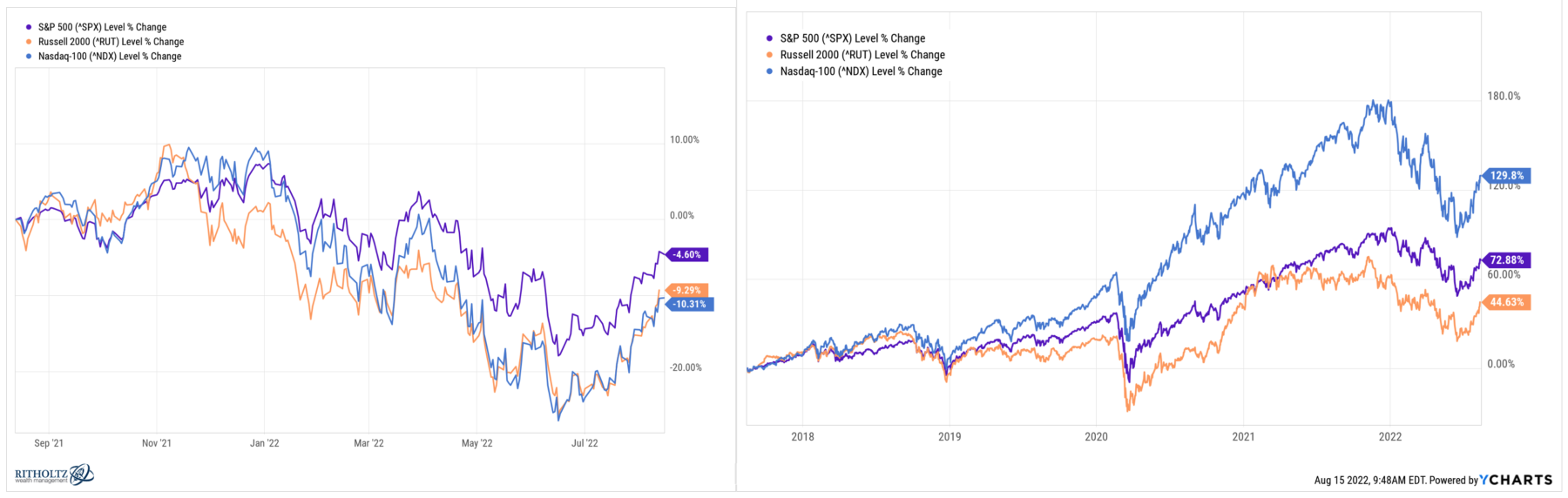
There is even an index for the S&P 500 Shariah.
The Bottom Line
By now, the investment world has made it possible to construct an investment portfolio that fully aligns with your personal beliefs and values.
However, halal investing can be more complicated than other types of values-based investing. Although there are generally four basic tenets of halal investing, the exact interpretation of Shariah law can vary. If a Muslim investor wants to invest but wants to make sure their portfolio is halal, they’ll need to make sure to do extensive research in the companies they are investing in.
Thankfully, there are more resources out there than before to serve halal investors in North America.