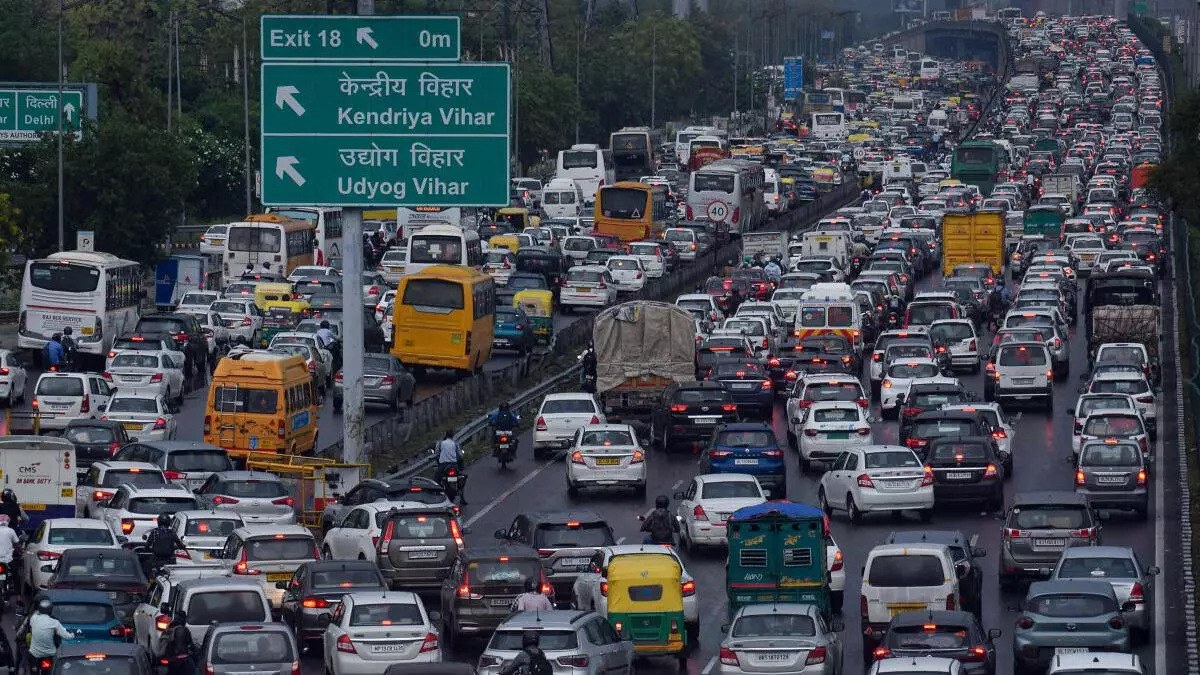
Why Faster Blockchains Don’t Automatically Create Better Markets
As blockchain networks began pushing toward higher throughput and lower latency, a common assumption emerged: faster chains would naturally lead to better markets. In practice, this assumption proved incomplete. While performance improvements changed how quickly transactions could be processed, they also exposed weaknesses in liquidity design that slower systems had previously masked.
On high-throughput chains, transactions settle rapidly and markets update almost instantly. This speed removes many of the natural delays that once absorbed inefficiencies. Poorly designed liquidity mechanisms are no longer hidden behind congestion or slow confirmation times—they become visible immediately through volatility, shallow order books, and unstable pricing.
One key issue is that liquidity is often treated as a static resource rather than a dynamic system. Faster execution increases the rate at which liquidity can be consumed, but it does not guarantee that liquidity will be replenished just as quickly. If incentives are not properly aligned, pools can drain faster than they refill, especially during periods of high activity or market stress.
High throughput also magnifies the impact of short-term strategies. When execution is cheap and fast, opportunistic behavior becomes easier to scale. Arbitrage, rapid entry and exit, and aggressive rebalancing can overwhelm liquidity that was designed for slower environments. In such conditions, speed benefits the most optimized participants, while exposing structural weaknesses in market design.
Another overlooked factor is market depth versus transaction speed. Throughput determines how many actions can occur, but depth determines how resilient prices are to those actions. A fast chain with thin liquidity can experience sharper price movements than a slower chain with deeper, more stable liquidity. Performance alone does not create robustness.
From a technical perspective, this highlights an important distinction: infrastructure enables activity, but market design governs outcomes. Execution speed improves responsiveness, but it also removes friction that once acted as a buffer. Without thoughtful liquidity structures—such as incentive alignment, gradual release mechanisms, and risk-aware design—higher throughput can amplify instability rather than reduce it.
The lesson from high-performance blockchains is not that speed is unimportant, but that it is incomplete on its own. Healthy markets require liquidity systems that scale alongside execution capacity. When throughput outpaces liquidity design, inefficiencies surface quickly, reminding builders that performance is only one component of sustainable decentralized markets.